
Contents:
- What Defines a Small or Intimate Wedding
- Why Small Weddings Are a Growing Trend
- Benefits of Intimate Celebrations
- Best Venue Types for Small Weddings
- Creating a Meaningful Guest Experience
- Design, Styling, and Atmosphere
- Budgets and Cost Advantages
- Planning Timeline for Small Weddings
- The Future of Intimate Weddings
What Defines a Small or Intimate Wedding
A small or intimate wedding typically focuses on a limited guest list, personalised experiences, and meaningful connections rather than large-scale production. While traditional weddings often host 100 or more guests, intimate celebrations usually include between 10 and 50 people, allowing couples to spend quality time with every attendee.
Common characteristics of small weddings
- Guest lists ranging from immediate family to close friends only
- More flexible ceremony and reception formats
- Greater focus on personal details and storytelling
- Higher level of interaction between couple and guests
Small weddings are not defined by budget limitations but by intentional design choices. Many couples deliberately reduce guest numbers to create deeper emotional experiences and greater control over atmosphere, timing, and style.
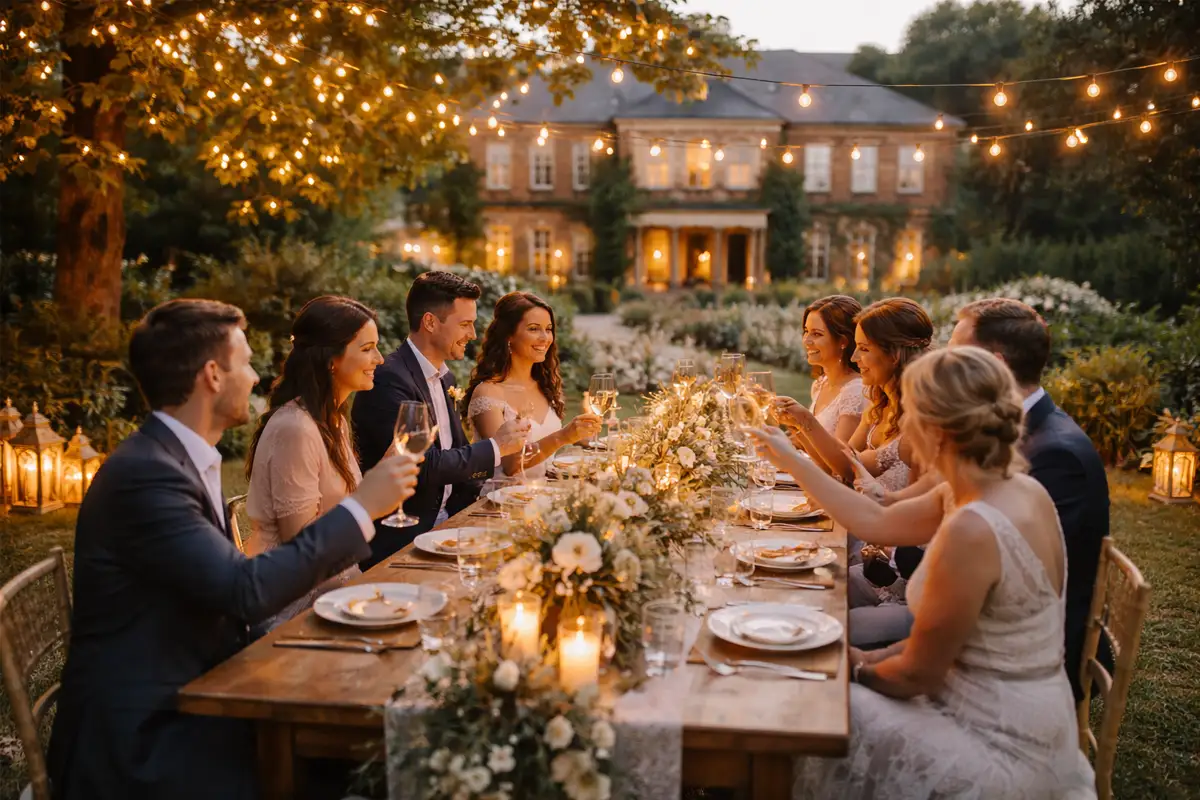
This format allows celebrations to take place in unique spaces such as private dining rooms, historic libraries, boutique hotels, garden pavilions, and country house salons that would not be suitable for large receptions.
Why Small Weddings Are a Growing Trend
Small weddings have become one of the fastest-growing wedding trends worldwide. Shifts in lifestyle, priorities, and social expectations are redefining how couples approach their celebrations, with quality increasingly valued over scale.
Key factors driving this trend
- Desire for more meaningful and personal experiences
- Changing attitudes toward traditional wedding conventions
- Increased focus on guest comfort and interaction
- Greater financial control and spending flexibility
Modern couples often prioritise emotional connection, authenticity, and storytelling over formal spectacle. Smaller guest lists reduce performance pressure and allow celebrations to unfold naturally without rigid schedules or staged rituals.
The influence of destination weddings, elopements, and boutique hospitality has further accelerated this movement, introducing new formats such as weekend celebrations, multi-day gatherings, and curated dining experiences.
This trend shows no sign of slowing, with venues and suppliers increasingly offering dedicated packages designed specifically for small-scale celebrations.
Benefits of Intimate Celebrations
Intimate weddings offer a wide range of advantages that extend beyond budget considerations. Smaller guest numbers create opportunities for elevated hospitality, bespoke design, and relaxed social dynamics rarely possible at large receptions.
Main benefits of small weddings
- Greater interaction between couple and every guest
- More time for meaningful conversations and shared moments
- Higher quality catering, drinks, and service experiences
- Increased flexibility in venue choice and layout design
With fewer guests, couples can invest more deeply in premium elements such as multi-course tasting menus, fine wines, statement florals, live musicians, and extended celebrations without inflating overall budgets.
Logistics also become simpler. Timelines are more fluid, seating arrangements less rigid, and transitions between ceremony, dining, and evening gatherings more natural.
For couples seeking elegance, connection, and refined hospitality, intimate celebrations deliver exceptional value and deeply personal experiences.
Best Venue Types for Small Weddings
Small weddings open access to a wider range of venues that are often unavailable or impractical for large receptions. Intimate guest numbers allow couples to choose characterful spaces that prioritise atmosphere, privacy, and architectural detail over capacity.
Popular venue types for intimate celebrations
- Private dining rooms in country houses and boutique hotels
- Historic libraries, salons, and drawing rooms
- Garden pavilions, orangeries, and terraces
- Boutique estates offering exclusive-use micro wedding packages
These spaces naturally create closeness and visual warmth. Lower ceilings, fireplaces, and refined interiors enhance intimacy and reduce the need for extensive decoration.
Many luxury venues now offer dedicated small wedding packages, including private suites, tailored menus, and flexible timelines designed specifically for celebrations of 10 to 40 guests.
For countryside settings, gardens and estate terraces provide beautiful ceremony backdrops while keeping dining and evening gatherings sheltered within the main house.
Creating a Meaningful Guest Experience
Guest experience is the defining strength of intimate weddings. With fewer attendees, couples can curate hospitality, timing, and interaction to ensure every guest feels personally welcomed and valued.
Ways to elevate the guest experience
- Personalised seating plans and handwritten place cards
- Welcome drinks and hosted arrivals
- Shared dining formats encouraging conversation
- Interactive moments such as guided tastings or live musicians
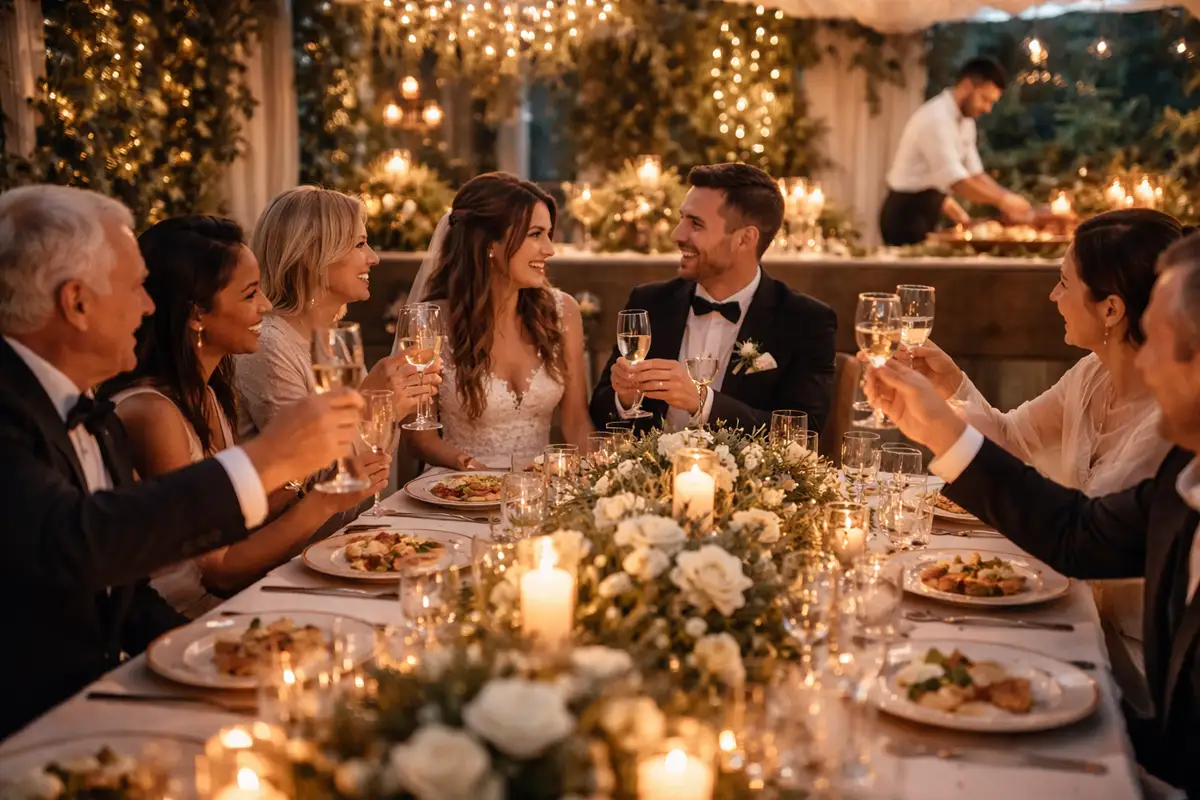
Small weddings allow hosts to spend meaningful time with each guest rather than circulating quickly between tables. This creates deeper emotional connections and stronger memories for everyone involved.
Dining often becomes the centrepiece of the celebration. Extended tasting menus, paired wines, and relaxed multi-course service replace rigid banquet schedules.
Entertainment shifts toward atmosphere rather than spectacle. Acoustic musicians, string duos, pianists, and curated playlists support conversation while maintaining a celebratory mood.
Design, Styling, and Atmosphere
Design plays a crucial role in small weddings because every detail is visible and experienced closely. Styling should focus on refinement, texture, and cohesion rather than scale or dramatic installations.
Effective styling approaches for intimate weddings
- Single statement floral arrangements rather than multiple centrepieces
- Layered candlelight and soft ambient lighting
- Luxury linens, ceramics, and glassware
- Seasonal florals and restrained colour palettes
Smaller spaces benefit from thoughtful negative space. Avoid overcrowding tables or ceremony areas, allowing architecture and natural light to define the mood.
Personal details become more powerful at this scale. Family photographs, handwritten notes, bespoke menus, and custom signage contribute to storytelling without overwhelming the setting.
The result is an atmosphere that feels curated, calm, and deeply personal — a signature quality of successful intimate celebrations.
Budgets and Cost Advantages
One of the most appealing aspects of small weddings is the ability to achieve higher quality within a controlled budget. Reduced guest numbers free resources that can be reinvested into premium experiences, refined styling, and personalised hospitality.
Where couples typically save and reinvest
- Lower catering and beverage minimums
- Smaller venue hire requirements
- Reduced stationery, transport, and accommodation costs
- More flexibility in supplier selection and package design
Rather than reducing overall budgets, many couples redirect funds toward signature elements such as gourmet dining, fine wines, statement florals, luxury accommodation, and extended celebrations.
Small weddings also allow access to exclusive spaces that would be financially impractical for large receptions, including private dining rooms, boutique estates, and historic salons.
Overall, intimate celebrations deliver one of the highest experience-to-cost ratios in modern wedding planning.
Planning Timeline for Small Weddings
Although smaller in scale, intimate weddings benefit from structured planning to secure the best venues, suppliers, and seasonal opportunities. Timelines are often shorter, but strategic booking remains essential.
Recommended planning schedule
- 6–12 months before: select venue and confirm guest list size
- 5–8 months before: book caterer, stylist, and key suppliers
- 3–6 months before: finalise menu, décor, and entertainment
- 6–8 weeks before: confirm layouts, seating, and guest logistics
- 2–4 weeks before: conduct final walkthrough and timeline review
Because guest numbers are limited, couples can plan more fluidly, adapting layouts and timing as the vision evolves. Venues and suppliers often offer greater flexibility for small-scale events.
Weekend availability is typically broader, allowing access to premium dates and exclusive-use venues with shorter lead times.
With fewer moving parts, couples can remain closely involved in creative decisions without becoming overwhelmed by logistics.
The Future of Intimate Weddings
The rise of small weddings reflects a lasting shift in how couples define celebration, success, and hospitality. Rather than returning to purely large-scale formats, the industry is evolving toward more flexible, experience-led wedding models.
Emerging directions in intimate celebrations
- Multi-day gatherings with close family and friends
- Destination micro weddings and countryside retreats
- Private dining experiences with curated tasting menus
- Hybrid celebrations combining ceremony and weekend hosting
Venues increasingly design dedicated micro wedding packages, offering exclusive-use suites, private gardens, and bespoke menus tailored specifically for small groups.
This trend is reshaping supplier services, encouraging higher design quality, deeper storytelling, and more personalised hospitality experiences.
The future of weddings lies not in size, but in meaning, connection, and refined celebration.
Conclusion
Small weddings and intimate celebrations have become one of the defining trends of modern wedding planning. By prioritising connection, hospitality, and personal expression, couples create experiences that feel genuine, elegant, and deeply memorable.
With flexible venues, elevated guest experiences, refined design, and strong budget efficiency, intimate weddings offer exceptional value across every aspect of celebration.
For couples seeking authenticity, elegance, and emotional connection, small weddings represent not just a trend, but a timeless approach to celebrating love in its most meaningful form.